Talk to our experts
Summary
Evaluating loyalty platforms like Salesforce Loyalty Management and Capillary requires assessing more than just feature sets; it's about strategic architectural fit and optimizing customer interactions. While Capillary offers strong loyalty, engagement, and analytics tools, Salesforce Loyalty Management integrates loyalty natively across the Salesforce platform, enabling a unified view within CRM, marketing, commerce, and service. This alignment is crucial for organizations standardizing their digital transformation efforts around Salesforce, driving efficiency and cohesive customer experiences.
Determining the superior ROI involves a comprehensive analysis of total cost of ownership, including subscriptions, implementation, integration, and ongoing operational expenses, against tangible benefits like increased member revenue and operational savings. For businesses contemplating migration, particularly from Capillary, the process demands careful planning around data transfer, reconciling outstanding entitlements, and re-establishing integrations across the digital commerce and service landscape. This ensures customer value is preserved and new capabilities are effectively leveraged.
The strategic decision to implement or migrate a loyalty platform profoundly impacts digital transformation initiatives. As a Salesforce Summit Partner with deep expertise in Digital Commerce, AI & Analytics, and integrating complex systems like Salesforce and Adobe, Ranosys helps organizations evaluate, plan, and deliver Salesforce Loyalty Management programs. We ensure seamless migration from platforms like Capillary, optimize integrations with POS and commerce systems, and provide comprehensive support to maximize ROI and scale customer loyalty strategies effectively.
A loyalty program represents years of investment in customer relationships, rewards, and purchasing insights. As marketing, commerce, and customer service become more closely connected, the loyalty program software behind that program deserves another look. For businesses running Capillary alongside Salesforce, the Salesforce Loyalty Management vs Capillary decision goes beyond reward rules and membership tiers. It comes down to how effectively loyalty information supports the customer interactions the organization already manages.
Both platforms offer substantial loyalty capabilities. Capillary pairs loyalty with engagement, analytics, and customer data products, while Salesforce Loyalty Management brings loyalty into the Salesforce platform itself. For businesses building their wider customer strategy around Salesforce, that alignment is its strongest argument. Its financial value, however, still depends on the capabilities a business can reuse, the improvements it can demonstrate, and the full cost of implementation.
This blog compares both platforms across features, integration, pricing, and ROI, and explains how to plan a migration and implementation if Salesforce is the right fit.
What Is Salesforce Loyalty Management?
Salesforce Loyalty Management is loyalty management software that supports B2B and B2C programs with configurable tiers, program currencies, benefits, vouchers, and promotions. Built on the Salesforce platform, it can connect loyalty with CRM, marketing, commerce, and service processes.
Some buyers search for it as Salesforce Loyalty Cloud, although Loyalty Management is the product name Salesforce uses.
What Is Capillary Loyalty Management?
Capillary’s portfolio includes Loyalty+, Engage+, Insights+, and customer data products. Loyalty+ sits at the center of Capillary loyalty management, covering reward rules and programs that span multiple brands and countries, while the wider Capillary loyalty platform connects it with engagement, analytics, and customer data.
Both platforms therefore offer more than basic points management. The distinction becomes clearer when businesses examine how each fits their existing architecture and future operating requirements.
Salesforce Loyalty Management vs Capillary: Key Differences
A side-by-side loyalty platform comparison shows where the two products overlap and where their approaches differ.
| Evaluation Area | Salesforce Loyalty Management | Capillary |
| Program capabilities | Tiers, program currencies, benefits, vouchers, partners, and promotions. | Points, coupons, tiers, and configurable earning and redemption rules. |
| Customer coverage | Supports B2B and B2C loyalty programs. | Documents B2B, B2C, and channel loyalty programs. |
| Documented strengths | Program management within the Salesforce customer platform, with analytics covering loyalty performance and member services. | Flexible rewards, paid membership, and programs operating across online and offline channels. |
| Packaging | Editions differ in areas such as partner management and support for multiple programs. | Loyalty+ can be combined with Engage+, Insights+, and customer data products. |
| Integration options | Loyalty APIs, POS integration packages, and MuleSoft options. | Connect+ dataflows and Neo extensions for integration and customization. |
| Performance reporting | CRM Analytics dashboards covering program performance, member services, revenue, and points liability. | Loyalty+ dashboards covering loyalty sales, registrations, and points activity. |
The table shows substantial functional overlap. Both vendors document B2B program support, so buyers looking for a B2B loyalty platform should compare how each fits their existing sales and partner processes rather than relying on feature lists alone.
Salesforce Loyalty Management benefits are most relevant when several teams need to use loyalty information inside Salesforce. Capillary’s documented strengths matter most where reward flexibility, paid membership, or combined online and offline programs are priorities. For either customer loyalty software option, the more meaningful limitation is any mismatch between the proposed configuration and the business’s requirements, which demonstrations and scoped proposals should expose.
Integration and Technology: Building a Connected CRM Loyalty Program
Consider a business running its loyalty program on Capillary while using Salesforce for other customer functions. The relevant assessment is how effectively information and actions move between those environments.
Can marketing teams use loyalty activity when planning communications? Can service teams access the membership information they need? How much work is required to introduce a new customer journey?
These are evaluation questions, not assumptions about Capillary’s limitations. They matter most for a CRM loyalty program, where loyalty data is used by the same teams that manage customer relationships.
For connected loyalty management, Salesforce documents loyalty connections with its wider customer platform, including marketing journeys triggered by tier upgrades, points milestones, and approaching reward expiry. Its POS integration APIs support activities such as member enrollment, voucher management, and points accrual and redemption.
Salesforce gains an advantage when the proposed design demonstrates better alignment with existing processes or effective reuse of platform capabilities. Native alignment still requires configuration, appropriate licensing, and testing, so the design should show what can be shared, what must be connected, and what additional investment is required.
Salesforce Loyalty Management Pricing and Total Cost of Ownership
Published Salesforce Loyalty Management pricing, checked in September 2026, is $20,000 for Starter, $35,000 for Growth, and $45,000 for Advanced per organization per month, billed annually. Prices are subject to change, and these figures do not represent a complete project budget. Buyers should also confirm which edition meets their requirements rather than using the entry price as their entire budget.
The Capillary product pages reviewed did not display a comparable edition price list, so Capillary loyalty pricing needs to be confirmed directly with the vendor. Existing customers should use their actual contracts as the baseline; prospective customers need a written proposal.
A useful cost comparison includes:
- Software subscriptions and additional products.
- Implementation, configuration, and custom development.
- Integration maintenance and data preparation.
- Training, support, and ongoing administration.
- The costs associated with any transition.
For a Capillary customer, compare the full cost of continuing the current arrangement with the complete Salesforce proposal over the same period. Existing Salesforce licenses, workflows, and team capabilities may create opportunities for reuse, but they strengthen the business case only after their applicability is confirmed.
Which Platform Delivers Better Loyalty Program ROI?
Published customer evidence provides useful context.
Salesforce reports that Tom Tailor introduced Loyalty Management in November 2023 and subsequently achieved a 23% increase in revenue from loyalty members and a 14% increase in average order value for loyalty transactions. Its customer story also reports that new loyalty campaigns could be launched within a day. These results relate to Tom Tailor’s program redesign and connected customer experience.
Capillary also publishes customer evidence. In a 2023 announcement, a Shell executive reported that moving from a card-based to an app-based loyalty approach tripled the member active rate.
The examples measure different outcomes and do not establish a direct ROI winner. Neither revenue growth nor member activity alone provides a complete calculation of financial return, whether the aim is to estimate Salesforce Loyalty Management ROI or Capillary loyalty ROI.
For your business, apply the same formula to each loyalty management platform under review:
ROI (%) = [(incremental contribution profit + verified operating savings − program costs) ÷ program costs] × 100
Count each benefit and cost once. Measure additional contribution profit against an appropriate baseline, and include technology, rewards, implementation, and ongoing operations. The final financial case should demonstrate additional value beyond the existing program’s performance.
Salesforce vs Capillary Loyalty: Which Platform Fits Your Business?
A functioning loyalty program can still warrant a strategic review. A review becomes relevant when the business is standardizing customer operations on Salesforce, redesigning its loyalty program, approaching a contract renewal, or seeking to resolve documented operational issues.
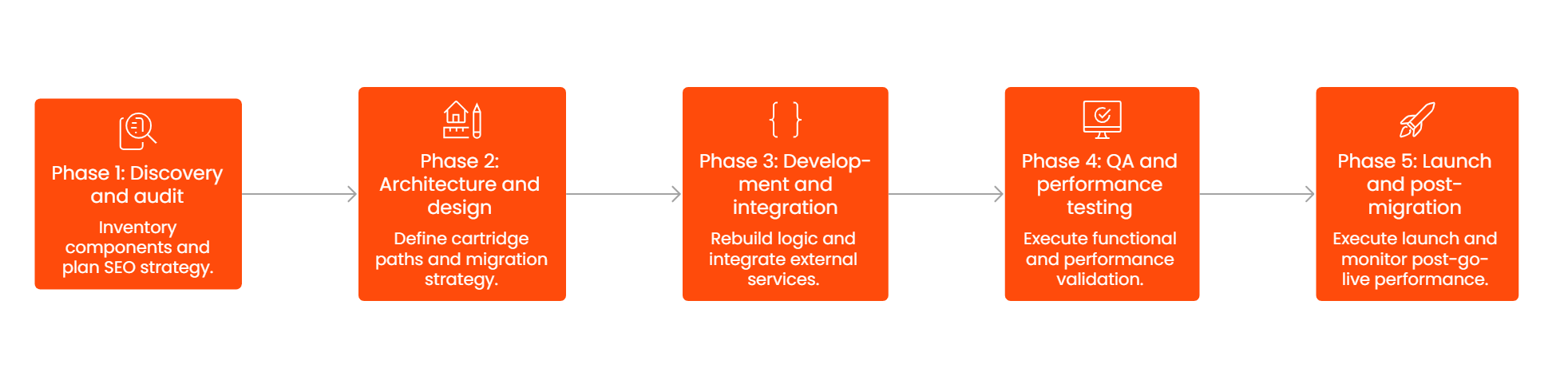
The decision should compare the value of improving the existing Capillary setup with the value and full cost of implementing Salesforce Loyalty Management. For Capillary customers expanding their use of Salesforce, Loyalty Management deserves priority where closer platform alignment is an important objective.
How to Choose the Right Loyalty Platform
Ask both vendors to demonstrate the same journeys: purchases, refunds, redemptions, tier changes, and failed-transaction recovery. Compare the work needed to deliver and maintain each one, and run both proposals through the same ROI calculation.
This makes the decision accountable to operational fit, financial value, and continuity for members.
How Easy Is It to Migrate from Capillary to Salesforce?
Migration effort belongs in the platform decision, because it affects both cost and risk. There is no standard duration for moving a program from Capillary to Salesforce Loyalty Management; the effort depends on how the current program is configured and how many systems rely on it.
A migration is generally more straightforward when:
- Program rules are documented and applied consistently across brands and regions.
- Member records use a reliable identifier that can be matched to existing Salesforce customer records.
- Few custom Neo extensions or Connect+ dataflows need to be rebuilt.
- The business already runs marketing, commerce, or service processes on Salesforce.
The effort increases when the business operates several programs across countries, uses paid memberships or partner earning, depends on custom reward logic, or connects the program to many POS and ecommerce systems. A large volume of outstanding points and vouchers with varied expiry dates also adds reconciliation work.
Confirm with Capillary which export options your contract and configuration support, and ask each implementation partner to scope the migration against your actual program before agreeing to a timeline.
Salesforce Loyalty Management Implementation: Key Considerations
For businesses using Capillary while expanding their Salesforce environment, a loyalty platform migration should be evaluated against a clear objective: bringing loyalty closer to the systems managing customer relationships.
Planning the Data Migration
Start by assessing how member profiles, points balances, tiers, expiry dates, outstanding coupons, and relevant transaction history can be extracted and mapped to Salesforce. Review existing Loyalty+ rules against the proposed Salesforce configuration. If the business also uses Engage+, Insights+, or Capillary’s customer data products, decide which capabilities will remain and how they will connect with the new arrangement.
Any change should preserve the customer value members have already earned. The implementation scope should include data reconciliation, integration testing, and validation of earnings, redemptions, refunds, and expirations. Decide early whether to move all members in a single cutover or migrate in phases by brand or region, and set acceptance criteria and performance baselines before work begins. A delivery timeline should follow this assessment.
Readiness Checklist Before Go-Live
- Business fit: Salesforce demonstrably meets the program’s current and planned requirements.
- Data readiness: Capillary records can be extracted, mapped, and reconciled accurately, including outstanding member entitlements.
- Integration readiness: Required POS, ecommerce, marketing, and service connections have been designed and tested.
- Financial justification: Expected incremental profit and verified savings support the transition and ongoing costs.
- Operational continuity: Teams have agreed launch criteria, member communications, support ownership, and recovery procedures.
For businesses already investing in Salesforce, these checks can establish whether Loyalty Management is the appropriate next step while protecting the customer value built through their Capillary program.
Why Choose Ranosys for Salesforce Loyalty Management Implementation?
Much of the value of Salesforce Loyalty Management comes from how loyalty data connects with the rest of the Salesforce environment. The implementation partner’s job is to design those connections around the program’s actual requirements and prove their value before members are moved.
Salesforce Products That Extend Loyalty Value
- Marketing Cloud: Uses loyalty events such as tier upgrades, points milestones, and approaching reward expiry to trigger member communications.
- Commerce Cloud: Brings enrollment, points earning, and redemption into the online storefront, subject to integration design.
- Service Cloud: Gives service teams access to membership status, balances, and transaction history when resolving member requests.
- Data Cloud: Combines loyalty activity with other customer data to support segmentation and personalization across channels.
- MuleSoft: Connects loyalty with POS, ecommerce, ERP, and other systems outside Salesforce.
- CRM Analytics: Reports on program performance, member services, revenue, and points liability.
- Agentforce: Applies AI agents to service and commerce interactions that draw on loyalty data, depending on licensing and configuration.
Each product carries its own licensing, so the business case should include only the products the program will use.
How Ranosys Supports Customer Loyalty Management on Salesforce
As a Salesforce Summit Partner, Ranosys helps businesses evaluate, plan, and deliver Salesforce Loyalty Management programs. For Capillary customers, that work typically covers:
- Assessment: Reviewing the current Capillary configuration, rules, integrations, and member data against Salesforce edition capabilities.
- Business case: Building the cost and ROI comparison against the existing program baseline.
- Migration and reconciliation: Moving and validating member data so members keep the value they have earned.
- Integration: Connecting Loyalty Management with POS, ecommerce, marketing, and service systems.
- Launch and support: Testing core journeys, supporting member communications, and managing the program after go-live.
If your business is weighing a move from Capillary or planning a new program on Salesforce, talk to Ranosys about scoping a Salesforce Loyalty Management implementation around your current program and future requirements.